No products in the cart.


Brown Axolotl
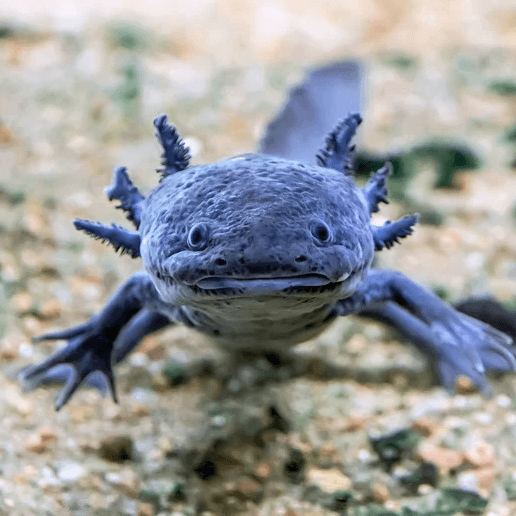
The Brown Axolotl is a fascinating and earthy-toned color morph of the beloved axolotl, These unique amphibians combine the endearing features of axolotls—feathery gills, a permanent smile, and aquatic grace—with a natural, wild-type appearance that’s both striking and grounded, With a mix of brown, gray, olive, and black speckles across their skin, brown axolotls often appear mottled or marbled, giving them a rugged, camouflaged look reminiscent of their wild ancestors,
Native to the ancient lakes of Mexico, axolotls are a neotenic species of salamander, meaning they retain juvenile features like gills and fins even as adults, Unlike frogs or other amphibians, axolotls do not undergo metamorphosis and remain aquatic their entire lives, The brown morph stands out not just for its appearance, but for how it brings pet owners closer to the axolotl’s natural origins, Their earthy tones are ideal for those who prefer a more naturalistic or biotope-style aquarium setup,
Brown axolotls typically grow to 9–12 inches in length, with a lifespan of 10–15 years when properly cared for, They require a cool, stable water temperature between 60°F and 68°F, and should be kept in a minimum 20-gallon tank with soft sand or a bare-bottomed substrate to avoid the risk of impaction, Strong filtration is helpful, but water flow should remain low to prevent stress, Regular water changes and testing for ammonia, nitrites, and nitrates will help maintain their health and vitality,
Their diet is simple but important, Brown axolotls are carnivorous and do best on a varied menu of soft, protein-rich foods, This includes bloodworms, earthworms, sinking pellets, brine shrimp, or the occasional piece of lean meat or fish, Feeding them 2–3 times per week is generally sufficient, especially once they reach adulthood,
Brown axolotls are peaceful and solitary, which makes them ideal for single-species tanks, While they can coexist with other axolotls under the right conditions, it’s important to ensure they are similarly sized and well-fed to prevent nipping, Their regenerating ability is a marvel of nature—they can regrow limbs, gills, and even parts of their heart and brain, which makes them a scientific icon as well as a fascinating pet,
Whether you’re new to axolotls or looking to expand your collection with a more natural look, the Brown Axolotl is a grounded, hardy, and visually appealing choice that brings nature into your home, Their prehistoric charm and low-maintenance needs make them excellent pets for both hobbyists and first-time aquatic pet owners,
Explore more about axolotl biology and conservation from the Amphibian Ark
Frequently Asked Questions (FAQs)
1. What does a Brown Axolotl look like?
Brown axolotls have a mix of earth tones—brown, gray, and black—with freckled or marbled skin, They often resemble their wild cousins found in Mexican lakes,
2. Are they harder to care for than other axolotl colors?
No, Their care requirements are identical to other axolotl morphs, They are hardy and adapt well to most cool-water setups,
3. Can I keep them with fish or shrimp?
It’s not recommended, Axolotls may eat smaller tank mates, and fish may nip at their gills, They do best in a species-only aquarium,
4. Do they change color as they grow?
They may darken slightly or develop more speckles with age, but they remain brown or mottled throughout their life,
5. Are Brown Axolotls legal in every state?
No, Some U.S. states like California, Maine, and New Jersey restrict axolotl ownership, Always check your local laws before purchasing,
Be the first to review “Brown Axolotl”
Related products

Reviews
There are no reviews yet.